

Hear from Our Customers
You can’t fix what you can’t see. Mold hides behind walls, under floors, in crawl spaces—places you’d never think to check. By the time you smell it or see discoloration, it’s already spread.
Professional mold testing doesn’t guess. It measures spore counts, identifies mold types, and maps moisture sources using thermal imaging and lab-grade equipment. You get data, not assumptions.
That matters when you’re deciding whether to buy a home, file an insurance claim, or figure out why your family keeps getting sick. It also matters when untreated mold can drop your property value by 20% to 37%, according to national real estate data.
Early detection means smaller repairs, lower costs, and fewer health risks. Testing gives you a baseline and a plan—so you’re not reacting in a panic six months from now.
We’ve been serving homeowners across Bucks County for years. We know how La Trappe’s climate works—hot, humid summers and damp winters create perfect conditions for mold growth, especially in homes built in the early ’90s with crawl spaces and finished basements.
We’re not a franchise. We’re local, and we show up with the same equipment and standards every time—thermal cameras, moisture meters, spore traps, and lab analysis. You’ll talk to someone who’s seen hundreds of homes like yours.
We start every job with a free inspection. No pressure, no upsell—just an honest assessment of what’s happening in your home and what it’ll take to address it.
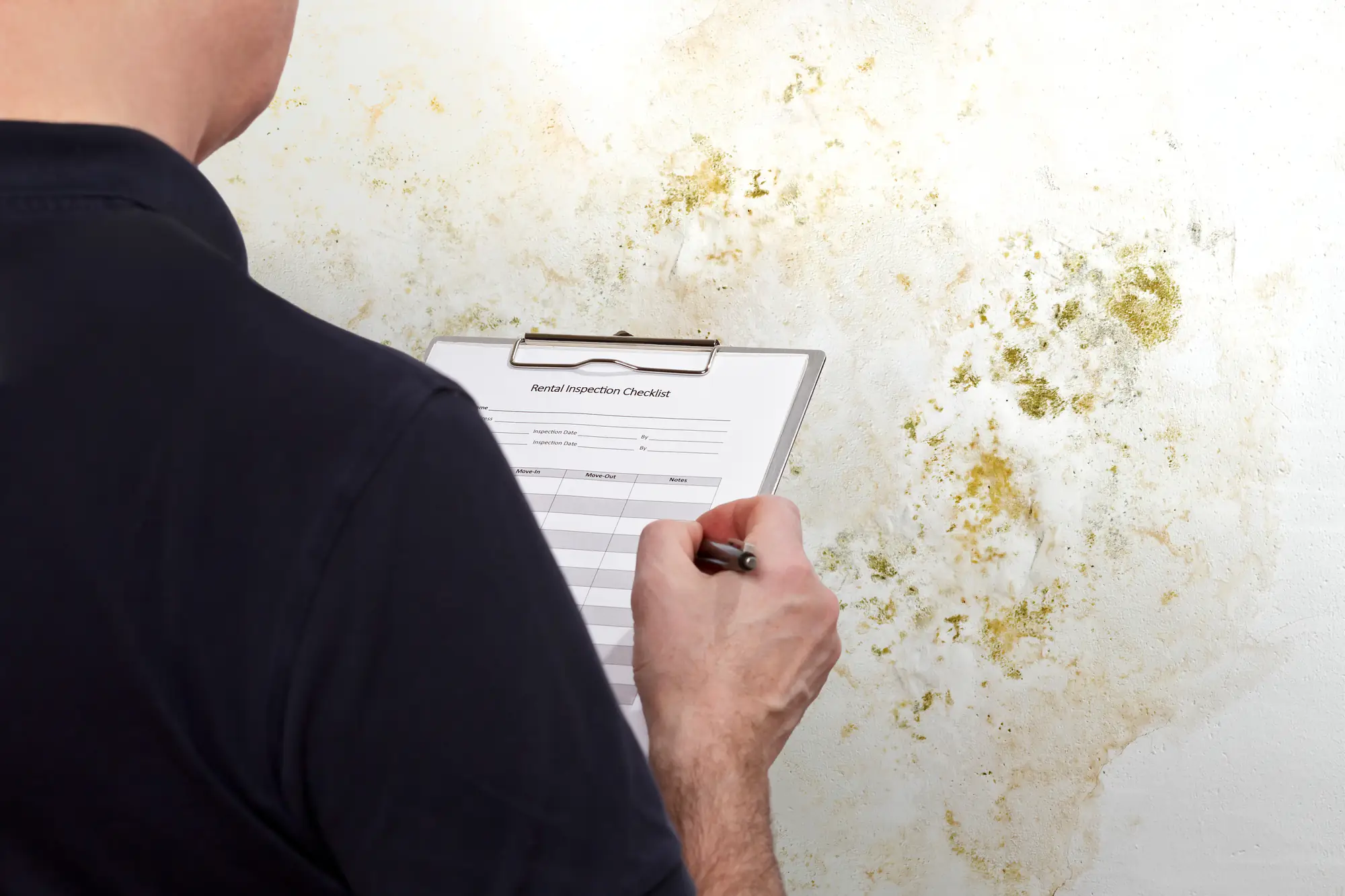
We start with a visual inspection and moisture mapping. That means checking areas where water tends to collect—around HVAC systems, windows, basements, attics, and any spots with past leaks or flooding.
Next, we take air and surface samples. Air samples measure airborne spore levels in different rooms. Surface samples use tape lifts or swabs to test visible growth or suspicious stains. If needed, we’ll use ERMI testing or spore traps for deeper analysis.
Samples go to an independent lab. Results come back in a few days and tell us exactly what’s growing, how much, and whether it’s a health concern. We walk you through the report in plain language—no jargon, no runaround.
Then we give you a clear action plan. Sometimes it’s a small fix. Sometimes it’s bigger. Either way, you’ll know what needs to happen, what it costs, and how long it takes. No surprises.
Ready to get started?
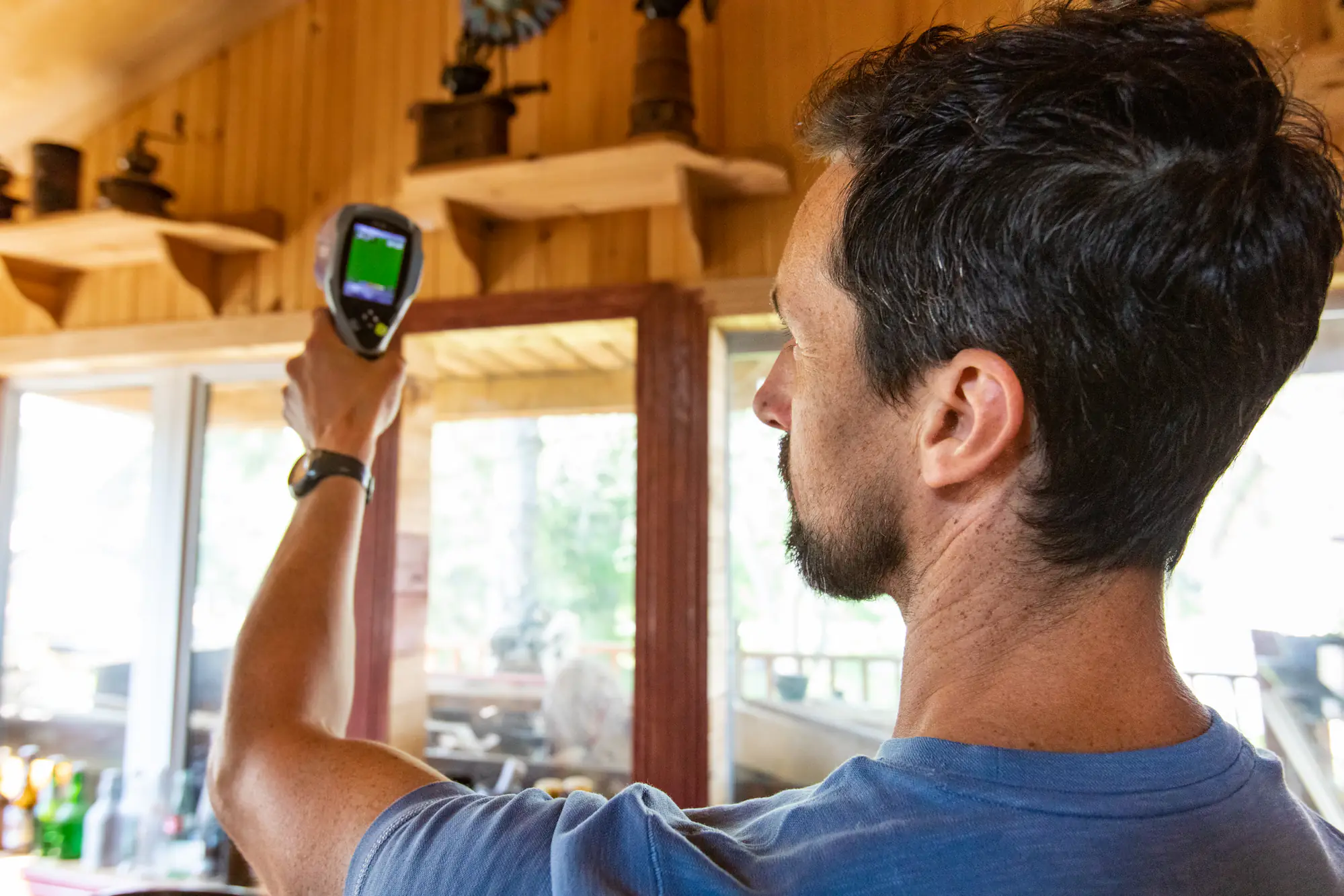
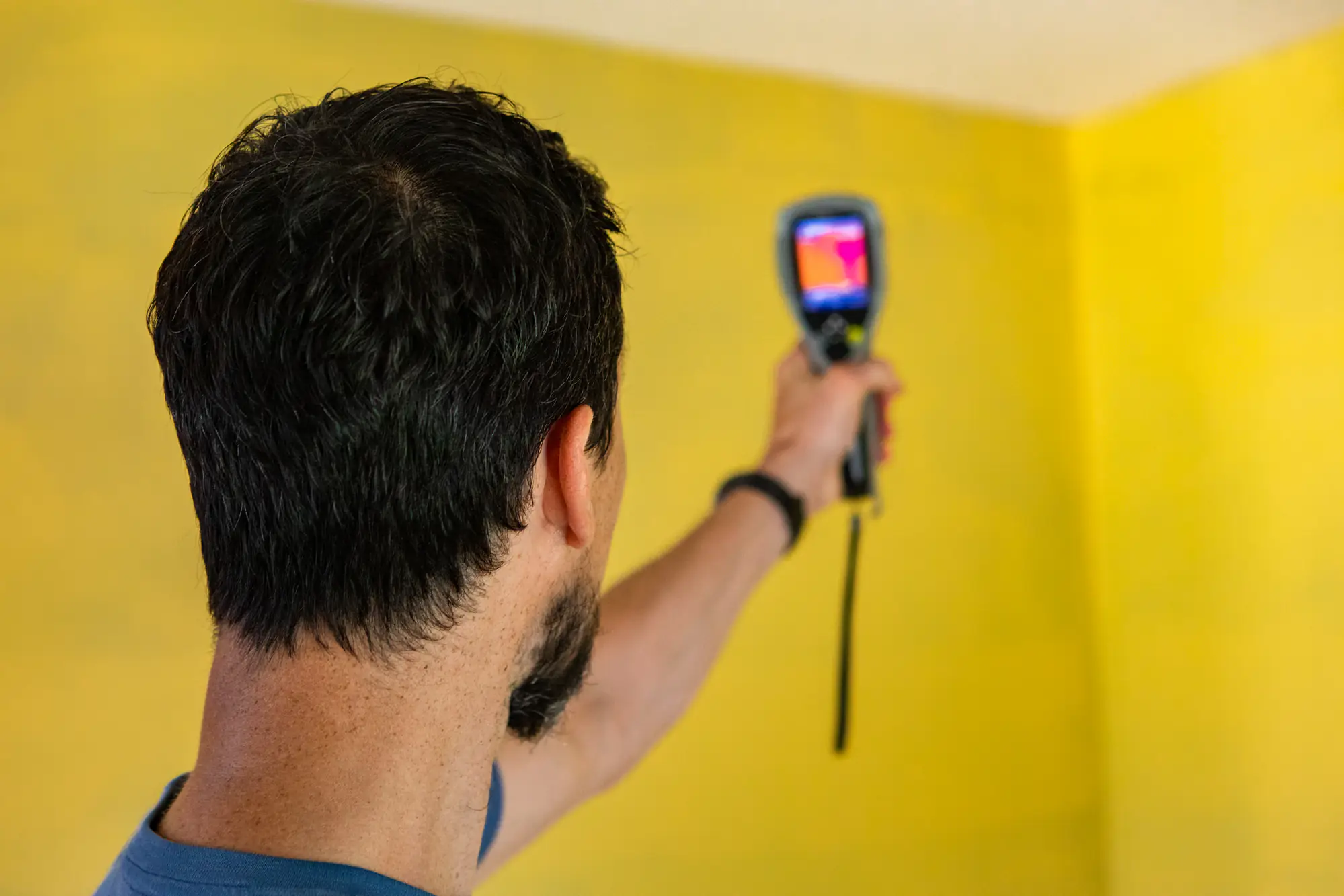
Every mold testing service we provide includes a full visual inspection, moisture detection with thermal imaging, air quality sampling, and surface testing where needed. You also get lab results with a breakdown of mold types and concentration levels.
In La Trappe, we pay extra attention to homes with basements, crawl spaces, and older HVAC systems—common problem areas in this part of Bucks County. Homes built in the ’90s often have insulation and ventilation issues that trap moisture, especially after heavy rain or snowmelt.
We also document everything for insurance or real estate purposes. If you’re buying a home, HUD recommends professional mold testing before closing. If you’re selling, a clean report can protect your sale price—one study found that spending $7,500 on remediation recovered nearly $20,000 in resale value.
You’ll leave with a written report, photos, lab results, and a recommended next step—whether that’s monitoring, remediation, or just improving ventilation. It’s your home. You get to decide what happens next.
If you’ve had water damage, notice a musty smell, see discoloration on walls or ceilings, or your family’s dealing with unexplained respiratory issues—testing makes sense. Mold doesn’t always show up where you’d expect it.
A lot of people try DIY test kits first. Those can tell you if mold is present, but they won’t tell you what kind, how much, or where it’s coming from. Professional testing uses lab analysis and equipment that measures moisture levels and airborne spore counts across your entire home.
You also want testing if you’re buying or selling a house. Buyers want proof the home is safe. Sellers want documentation that protects the deal. And if you’re filing an insurance claim, most carriers require a professional report before they’ll cover remediation costs.
An inspection is visual—we look for signs of mold, moisture problems, and conditions that support growth. Testing goes further. We collect samples and send them to a lab for analysis.
Inspection tells you if there’s a problem. Testing tells you what the problem is—species, spore count, contamination level. That’s important because not all mold is treated the same way. Black mold (Stachybotrys) requires different handling than surface mildew.
Most jobs start with an inspection. If we find something concerning or you’re dealing with health symptoms, we recommend testing. It’s not always necessary, but when it is, it’s the only way to get accurate answers. We’ll tell you upfront whether testing makes sense for your situation.
The on-site inspection and sampling usually take one to two hours, depending on the size of your home and how many areas we’re testing. We’re thorough, but we’re not going to waste your time.
Lab results come back in three to five business days. Once we have them, we’ll schedule a follow-up call or meeting to review the findings and talk through your options.
If it’s an urgent situation—like you’re closing on a house or dealing with a health crisis—we can request expedited lab processing. That usually cuts the turnaround to 24 to 48 hours. There’s an extra cost, but it’s an option if timing matters.
Yes. Lab results identify the mold species and measure concentration levels. Some molds are more hazardous than others—black mold and certain Aspergillus strains can cause serious respiratory problems, especially in kids, elderly family members, or anyone with asthma.
Even “less dangerous” molds can still trigger allergic reactions, sinus infections, headaches, and fatigue. The risk doubles for asthma in homes with mold, according to health studies. So while not all mold is toxic, all mold is a problem if it’s growing indoors.
The report will also tell you if spore levels are elevated compared to outdoor air. That’s a key benchmark. If your indoor air has higher mold counts than outside, something’s wrong—and testing pinpoints exactly what and where.
Small surface mold—like a little mildew on a bathroom tile—you can handle with bleach or a mold cleaner. But if testing shows elevated spore counts, hidden growth, or contamination behind walls, DIY removal usually makes things worse.
Disturbing mold without proper containment spreads spores throughout your home. You need negative air pressure, HEPA filtration, and sometimes full removal of affected materials like drywall or insulation. That’s not a weekend project.
We’ll tell you honestly if it’s something you can manage or if you need professional remediation. If it’s the latter, we handle it—containment, removal, air scrubbing, and prevention. The goal isn’t just to remove what’s there. It’s to make sure it doesn’t come back.
Most residential mold testing runs between $300 and $900, depending on the size of your home and how many samples we take. Air samples, surface samples, and lab fees all factor into the cost.
We offer a free initial inspection. That gives you a sense of what’s going on before you commit to full testing. If testing makes sense, we’ll give you a flat quote upfront—no hidden fees or surprise charges.
And here’s the thing: testing might feel like an extra expense, but it saves money in the long run. Catching mold early prevents major structural damage and health issues that cost a lot more to fix. One study showed untreated mold can reduce home value by up to 37%. Testing protects your investment.
Other Services we provide in La Trappe